

MRL, Research
What we research
From printing metal to machining it, and the hybrid processes in between. Three thrusts, one goal: better parts, predictably manufactured.
01 / Additive
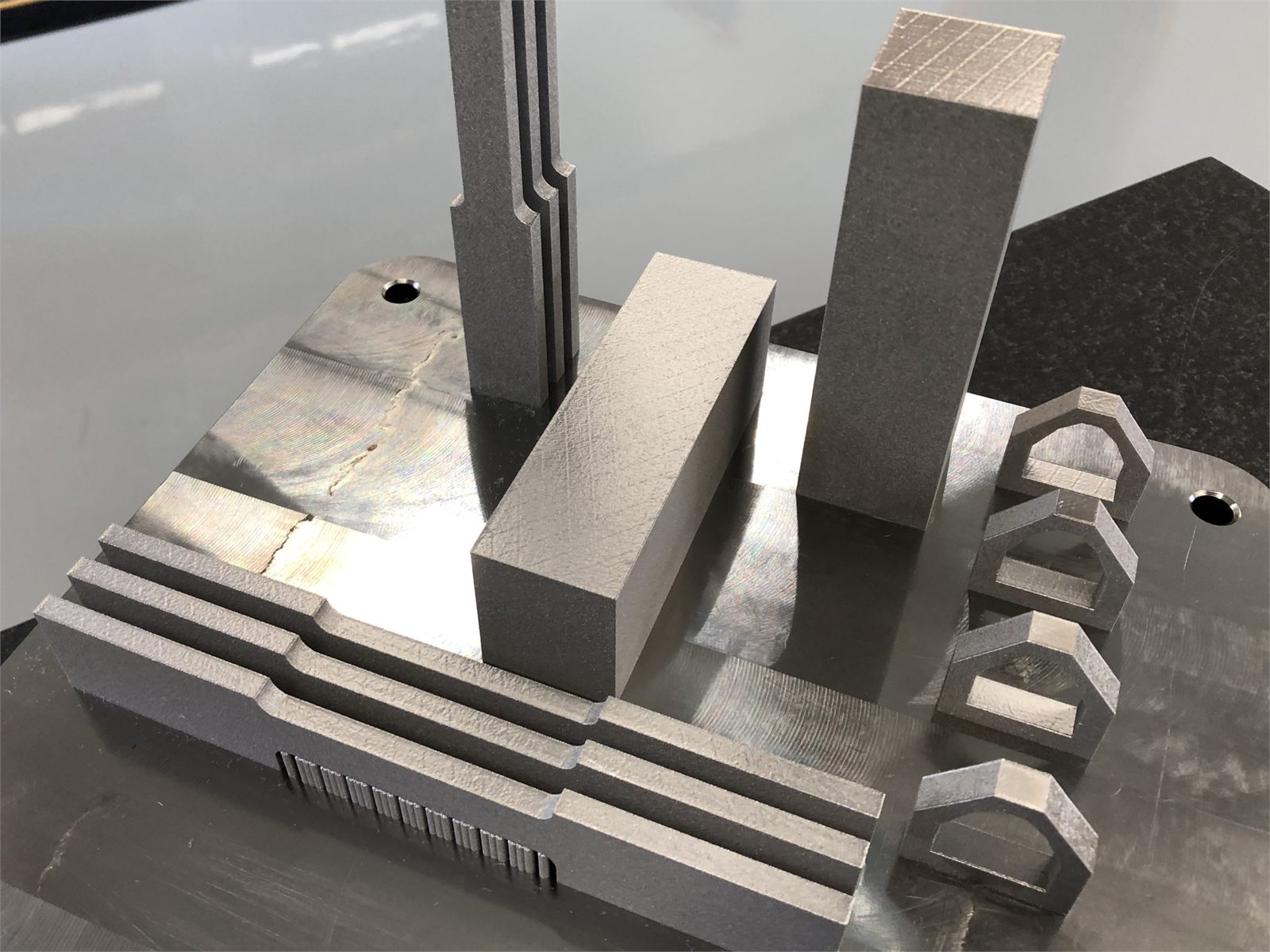
Additive Manufacturing
Metal Additive Manufacturing (AM) has seen significant progress in recent years and has become increasingly popular; however, the knowledge base for the mechanical behaviour of AM metals is not as extensive as that of wrought metals. Our lab is developing various methods of predicting the behaviour of additively manufactured materials, including metals, without the need for extensive testing. We are looking to improve our understanding of the mechanical properties of additively manufactured materials and expand the capabilities of predicting their behaviour under different loading conditions.
02 / Subtractive
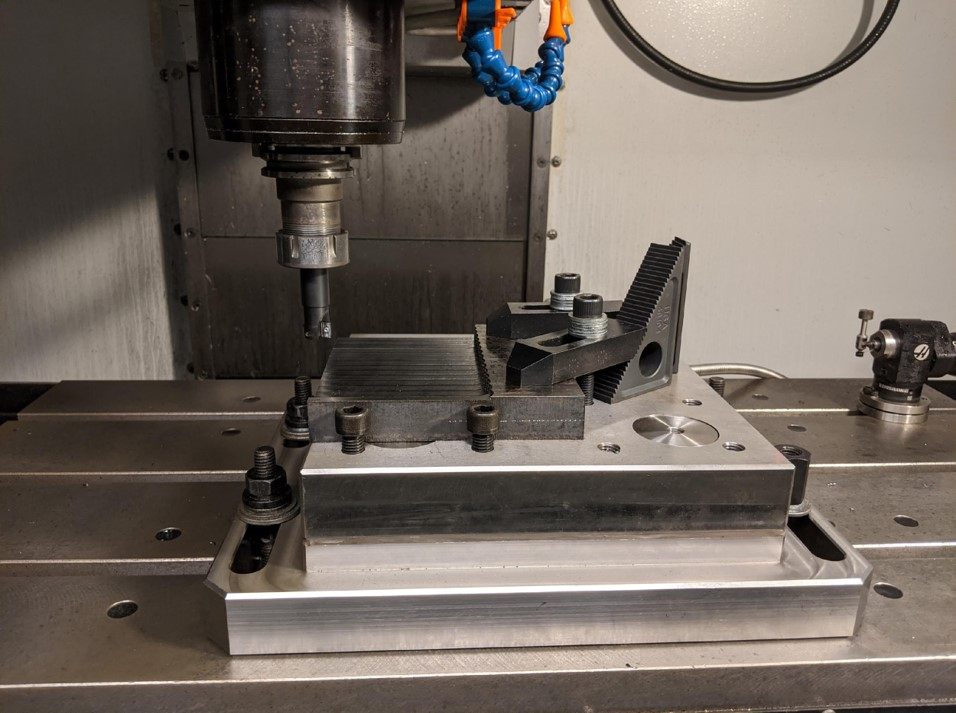
Subtractive Manufacturing (Machining)
AM metallic parts are currently manufactured for end-use applications in various industries, such as aerospace. However, there are still major concerns about the dimensional accuracy and surface quality of as-printed AM metals. These issues are more pronounced in additive manufacturing of parts with complex geometries, and they negatively impact fatigue resistance, which is highly sensitive to surface quality. As a result, additively manufactured metals usually require post-process finish machining.
03 / Hybrid
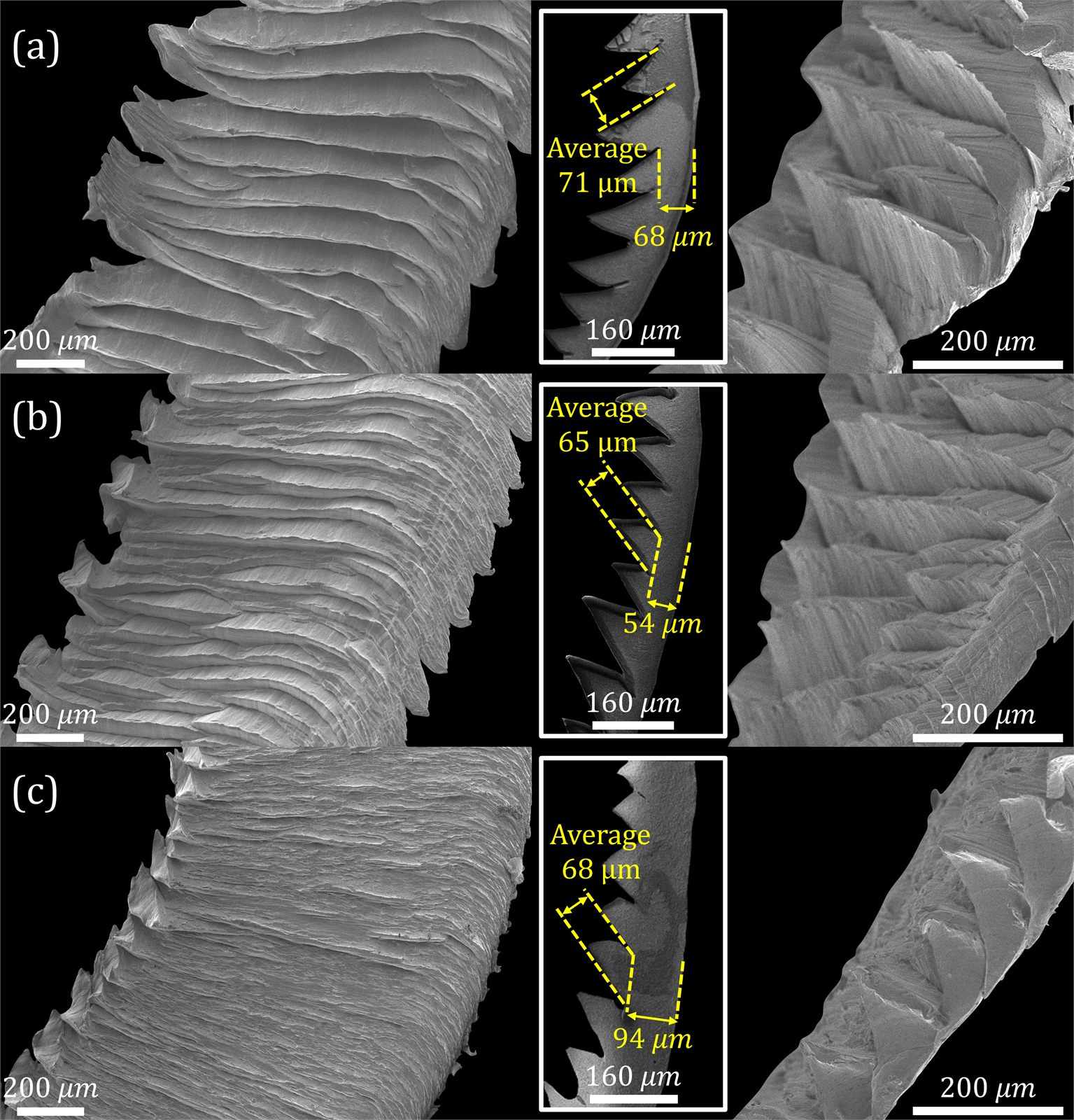
Hybrid Manufacturing
Employing a hybrid of additive manufacturing and subtractive manufacturing, such as machining, combines the design and manufacturing flexibility of AM with the high surface quality and dimensional accuracy attainable from subtractive processes.
Collaboration
Partners






Dig deeper
See the work in print
Books, book chapters, and journal papers from the MRL team.